


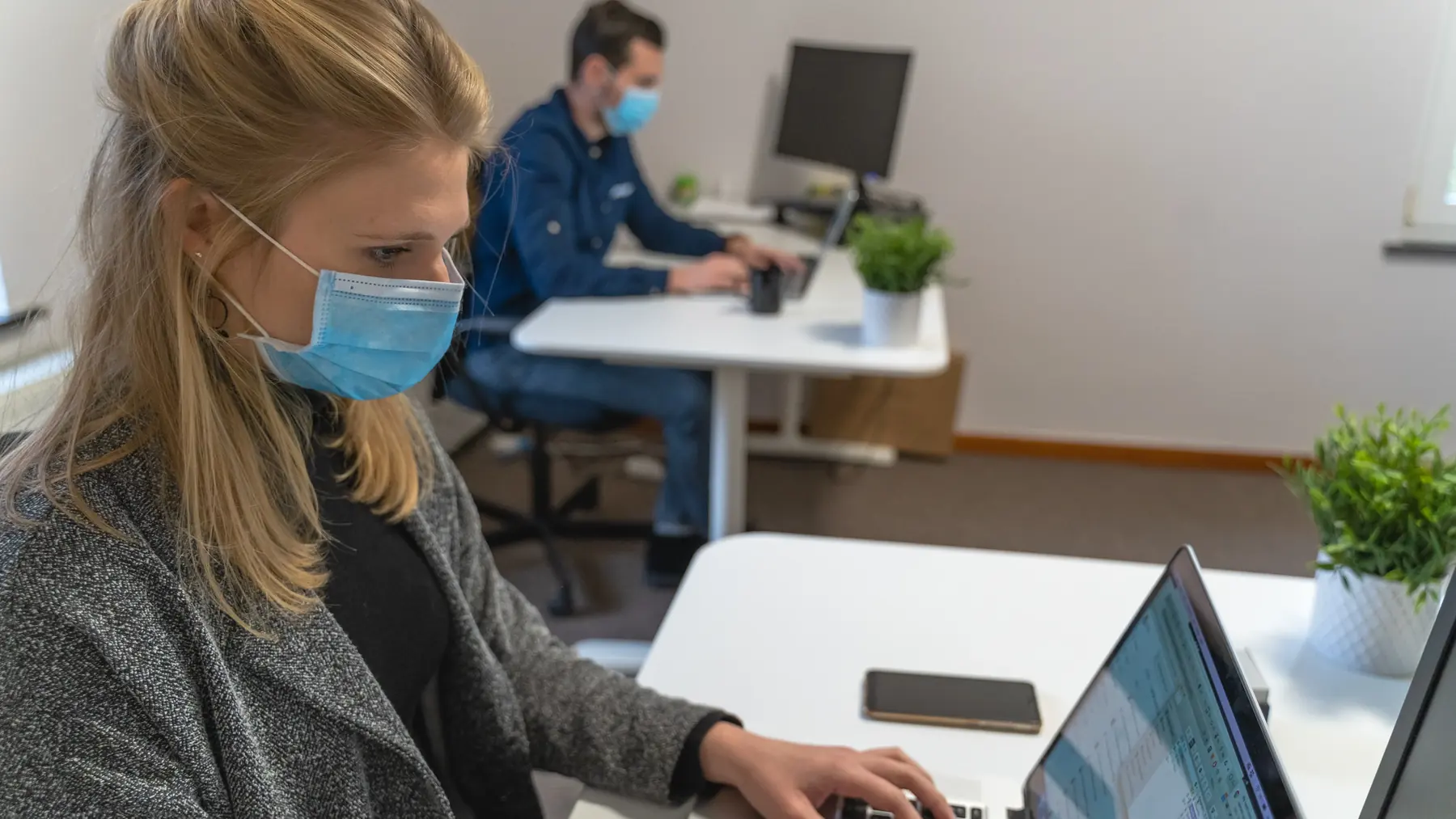
Covid-19 Return to Work Checklist for Employers
Before reopening your office, prepare your office by gauging employee sentiment and creating safe procedures.
Use this quick checklist to safeguard your business against Covid-19 as well as common post-pandemic problems like employee resignation and retention.
#1. Run an Employee Return to Work Survey

Employee return to work survey
Not all of your employees might feel comfortable returning to work, with the threat of the Covid-19 virus still looming. Surveys have shown a strong employee preference to work from home at least a few days a week, even post-pandemic. Before you declare business as usual, send employee return to work surveys to find out if employees are ready to come back to work and what they need to be successful.
We’ve written a detailed guide for creating a return to work survey for employees post Covid-19, and here’s a list of questions to understand employee preferences:
- How comfortable do you feel coming back into the office?
- What are your major concerns about returning?
- Which working arrangements (hybrid, remote, in-office) do you prefer most?
- What are your major concerns about hybrid work?
- How many days a week would you like to come to the office? Which days and for how long?
- Which activities will you use the office for (collaborative, deep work, casual brainstorming)?
#2. Prepare Your Office and Employees for Reopening Safely
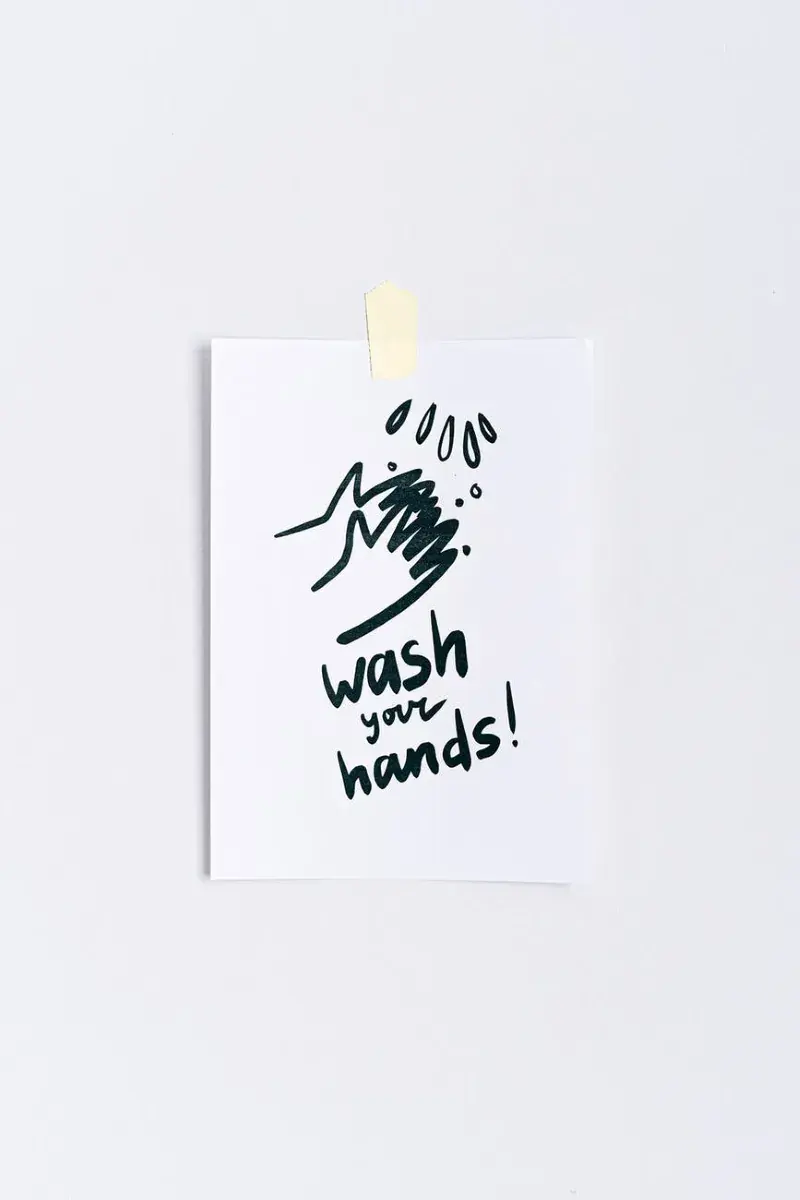
COVID-19 office posters
Adopting a few important tools and practices that have helped mitigate the disease globally will help you to implement Covid-19 guidelines for your workplace.
- Run a workplace assessment to identify areas with poor ventilation and a high density of workers. Clean and disinfect these spaces and improve air supply in these areas, if possible.
- Implement return to work in phases instead of all at once. Start with a partial office reopening, with workers who have minimal personal risk factors (age, medical conditions, pregnancy) and low exposure risk. These kinds of work plans, including staggered shift times and breaks, have been successful globally in minimizing exposure.
- Place posters throughout the office reminding employees to wear masks and wash their hands.
- Train all employees about safe reopening practices like wearing masks, social distancing, and quarantine.
- Use desk booking softwareto manage workplace capacity and employee schedules. Tools like Officely let you know who used what spaces on which days, allowing for better contact tracing.
- Conduct Covid-19 symptom surveys using tools like Officely, which sends a daily health survey to employees before they check in to work.
- Promote vaccination by providing employees with paid time off to recover from any side effects.
#3. Monitor Compliance For Your Return to Work Guidelines
To prevent business closure due to an outbreak of Covid-19 in your workplace, look for ways to reinforce workplace guidelines and rules.
From conversations on our Slack community, Hybrid Heroes, we’ve found managing Covid-19-related work takes up much of existing people ops and human resources teams’ time. To avoid overworking your HR team, consider assigning Covid-related work to specific team members or consultants to monitor compliance and implementation.
If your team has less than 50 employees, assign one or two people to monitor the implementation of Covid-19 related protocols and stocking of supplies like sanitizers and masks. Large, global companies might also use special consultants like Workbench to plan and implement Covid-19 related guidelines and ensure employees have the necessary supplies and support.


